



Hair Transplantation
Description
FUE Hair Transplant: A Comprehensive Guide to Restoring Hair Density
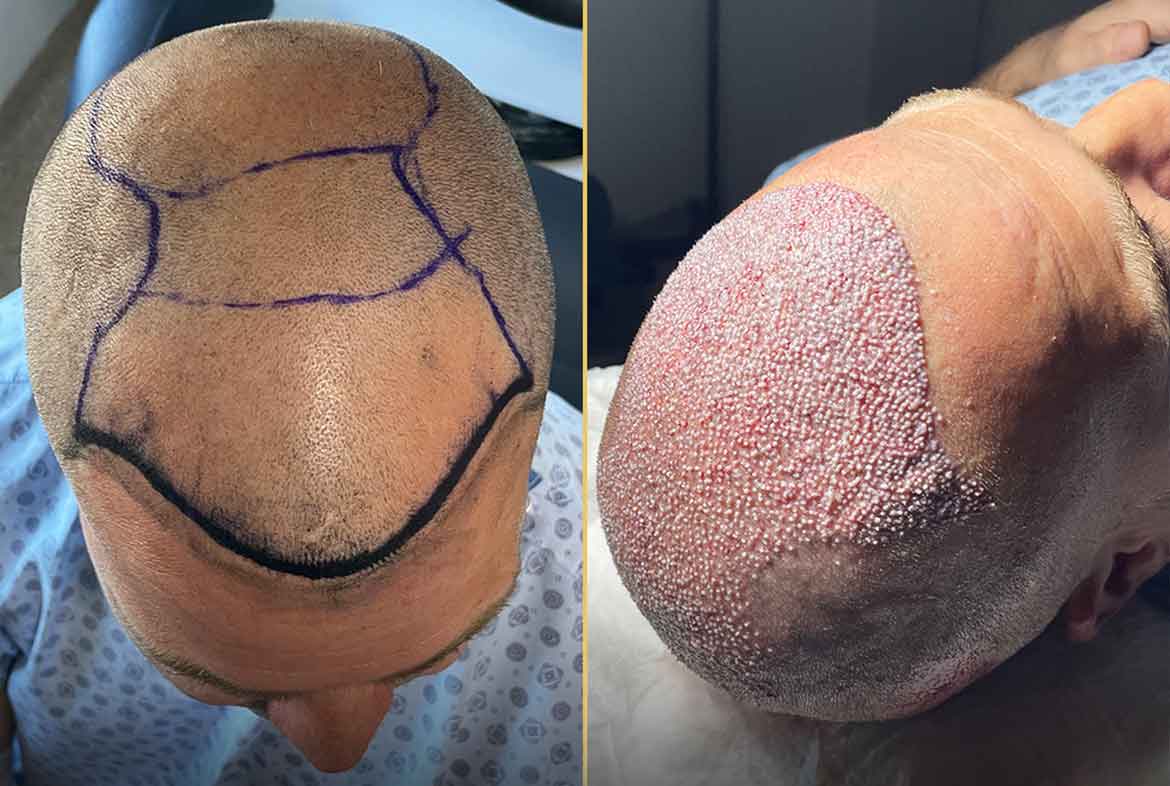
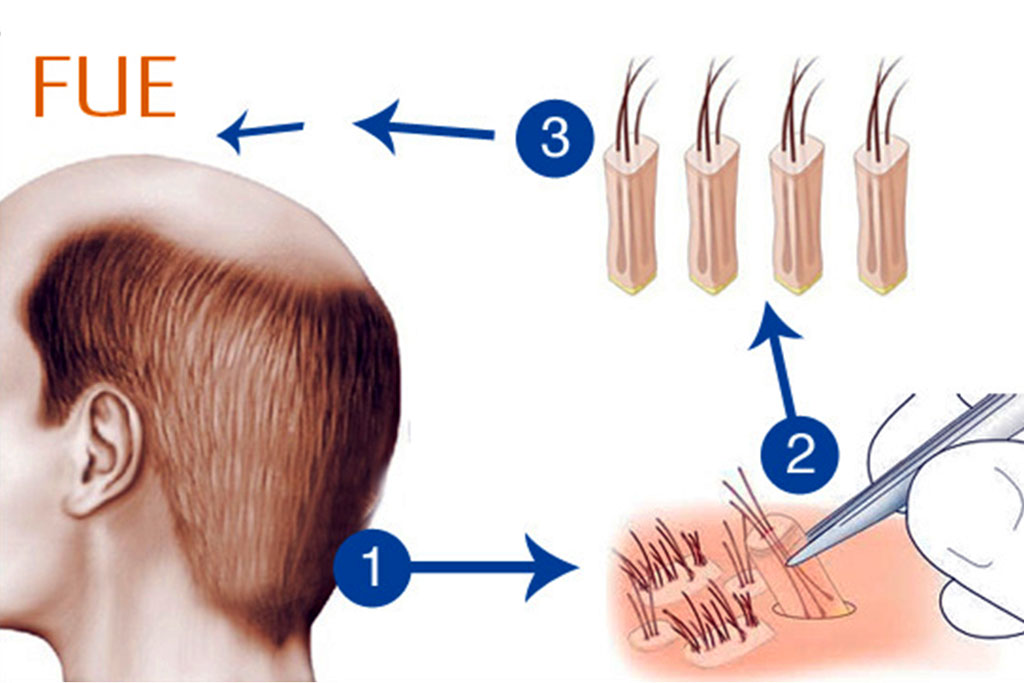
Hair loss or thinning hair can be a source of frustration for many individuals. Fortunately, the FUE (Follicular Unit Extraction) hair transplant is a cutting-edge solution for achieving thicker, fuller hair. This procedure involves the precise extraction of individual hair follicles from the donor area—typically the back or sides of the scalp—and their transplantation into balding or thinning regions.
Performed under local anesthesia, an FUE hair transplant can take several hours, depending on the extent of the treatment. Once the follicles are transplanted, they will undergo a natural shedding process, usually within the first few weeks. New hair growth typically begins around three months post-procedure, with full results visible after six months to a year. The newly transplanted hair grows gradually, blending seamlessly with your existing hair for a natural, long-lasting look.
FUE is widely regarded as a safe and effective method for hair restoration, offering impressive results with minimal downtime.
ICE-FUE Hair Transplant: An Advanced Technique for Optimal Results
The ICE-FUE (Ice-Cooled Follicular Unit Extraction) is an innovative variation of the standard FUE method, designed to improve follicle preservation and reduce discomfort during the procedure. This patented technique is exclusively available at our clinic and has revolutionized the hair transplant industry.
In the ICE-FUE method, a cold solution is used during follicle extraction, which helps protect the hair follicles while they await transplantation. This cooling technique minimizes damage to the follicles, resulting in a higher survival rate and a more successful transplant. Local anesthesia is administered before extraction, ensuring that patients experience minimal pain or discomfort.
Not only does ICE-FUE promote healthier follicle preservation, but it also enhances the overall patient experience by reducing inflammation and post-operative discomfort. The result? A natural and aesthetically pleasing outcome that offers long-lasting hair density.

Is There Scarring After Hair Transplantation
One of the primary advantages of the FUE and ICE-FUE techniques is the minimal scarring associated with these procedures. Since hair follicles are extracted individually using microsurgical instruments, any scars that form are typically tiny, often undetectable to the naked eye. The small incisions made during follicle removal are puncture-sized and blend well with the surrounding skin.
Although some minor scarring may occur, it is usually hidden by the surrounding hair. To further minimize the visibility of scars, it’s essential that the procedure is performed by an experienced specialist, and that patients closely follow post-procedure care instructions to aid the healing process.
Post-Hair Transplant Care: Washing and Healing Tips
Proper washing techniques after a hair transplant are crucial for promoting healing and ensuring optimal results. Here’s a simple step-by-step guide for post-transplant washing:
- Apply Lotion: Use a gentle lotion or foam to soften any crusts around the transplanted follicles. Apply the lotion generously and let it sit for around 30 minutes.
- Rinse Gently: Rinse with warm water, ensuring the water pressure is low to avoid disturbing the follicles.
- Shampoo Carefully: Lather the shampoo in your hands before applying it to your scalp with light, circular motions. Avoid scrubbing or rubbing the scalp vigorously. Let the shampoo sit for a short time, then rinse with gentle, warm water.
Always follow the specific post-care instructions provided by your doctor to protect your new follicles and promote a smooth recovery.
When Will I See My Final Hair Transplant Results?
Hair growth following a transplant is a gradual process. While you may notice immediate growth after the procedure, the full natural appearance can take time to achieve. During the first few weeks, many patients experience what is known as “shock shedding,” where transplanted hair falls out. This is completely normal, as new hair will begin to grow in its place.
Most patients start seeing noticeable results within three to six months, but it can take up to a year for the hair to fully mature and blend naturally with the surrounding hair. Patience is key, as individual growth rates and results vary from person to person.
Why Choose Us for Your ICE-FUE Hair Transplant?
At our clinic, we take pride in offering the ICE-FUE method, a patented technique that is exclusive to our facility. Our dedicated team is committed to ensuring patient satisfaction through personalized care, from the initial consultation to the post-operative follow-up. We are passionate about helping you achieve natural, long-lasting results, and we look forward to guiding you through the hair restoration journey.
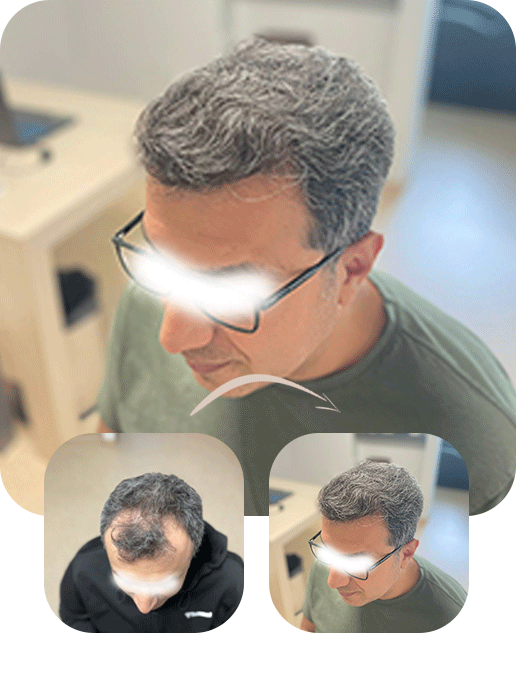
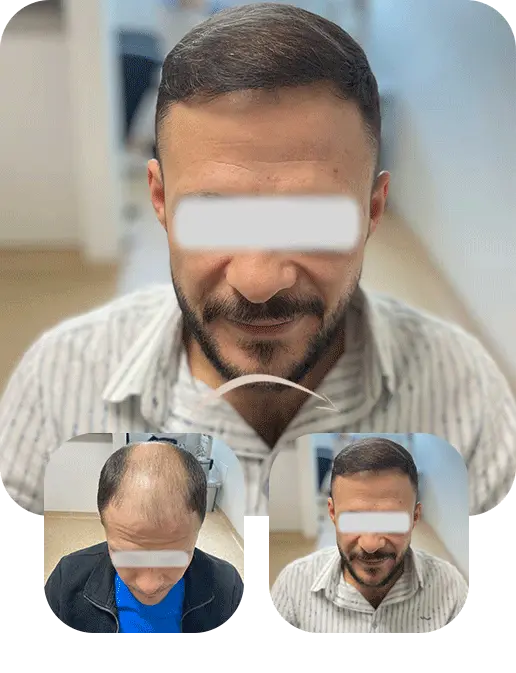
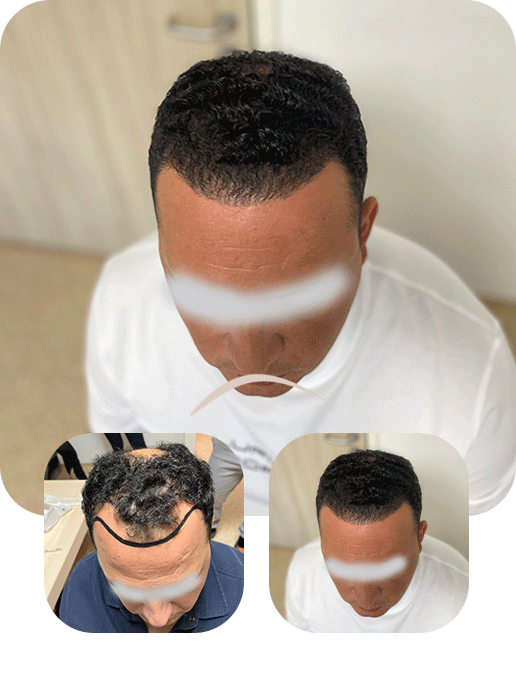
Our Some Before/After Results


When Does Transplanted Hair Begin to Grow After Hair Transplantation?
After undergoing a hair transplant, the transplanted hair typically begins to grow within 2-3 months. However, achieving the final, natural appearance may take up to one year. This timeline can vary depending on factors such as individual hair characteristics, genetics, and environmental influences.
Patience is crucial, as the process of hair regrowth progresses gradually over time. By the end of the first year, most patients see significant improvements, with fuller and healthier hair.

Is Hair Shedding Normal After a Hair Transplant?
Yes, it’s perfectly normal for the transplanted hair to shed a few weeks after the procedure. This is referred to as “shock shedding” and is a natural part of the recovery process. Although this may seem concerning, it is a temporary phase. The transplanted hair will soon begin to regrow.
Once the shedding phase is over, the new hair follicles will start producing strong, healthy hair. Since these follicles are taken from areas resistant to hair loss (typically the back or sides of the scalp), the newly transplanted hair is generally permanent and will continue to grow for a lifetime.
Important Post-Hair Transplant Care Tips
To ensure the success of your hair transplant and promote healthy regrowth, it’s essential to follow proper aftercare. Here’s a list of important guidelines to consider after your ICE-FUE hair transplant:
1. Prioritize Healing
Following your doctor’s post-op care instructions is critical to a smooth recovery. This includes taking prescribed medications and applying recommended lotions to aid in the healing process.
2. Protect the Transplanted Hair
In the first few days after surgery, avoid touching or putting pressure on the transplanted areas. Wear loose-fitting headwear, such as a clean, wide-brimmed hat, to shield your scalp from sun exposure and accidental bumps.
3. Washing and Cleaning
Your doctor will provide specific instructions for washing your hair. Typically, you should avoid washing your hair for the first few days. Afterward, use gentle washing techniques, avoiding scrubbing or high water pressure.
4. Avoid Intense Physical Activities
Steer clear of strenuous exercise for the first few weeks, as excessive sweating or physical strain can interfere with the healing process. Light walks and mild physical activities are acceptable, but avoid anything that causes heavy sweating.
5. Refrain from Smoking and Alcohol
Smoking and alcohol can impede the healing process and reduce the effectiveness of the hair transplant. To maximize results, avoid these substances for at least seven days after the procedure.
6. Sauna, Hammam, and Swimming
Stay away from saunas, Turkish baths, or steam rooms for three months following your hair transplant. Additionally, avoid swimming for the first four weeks to minimize the risk of infection and damage to the healing follicles.
7. Sun Exposure and Solariums
Avoid direct sun exposure for at least two weeks after surgery. If necessary, wear a hat or a bandana provided by your clinic. For those in sunny climates or undergoing the procedure during the summer, it’s recommended to extend this precaution for up to three months to protect the transplanted follicles.
Physical Activity After Hair Transplantation
You can engage in light activities shortly after the procedure, such as short walks or mild physical exercises. The key is to avoid sweating heavily, as excessive perspiration could affect the healing process. Gradually increase your activity levels as directed by your doctor.
The Importance of Doctor Check-ups
After your hair transplant, attending all follow-up check-ups is essential. These appointments allow your doctor to monitor your progress, provide advice, and ensure your healing is on track. Depending on individual needs, you may receive personalized instructions to optimize your recovery and results.
Achieving the Best Results After Hair Transplantation
Every patient’s recovery and hair regrowth experience may differ. By adhering to your doctor’s post-op care instructions and maintaining good habits, you can ensure your transplanted hair grows healthily and naturally. With patience and proper care, hair transplantation provides a permanent and satisfying solution for hair loss.


