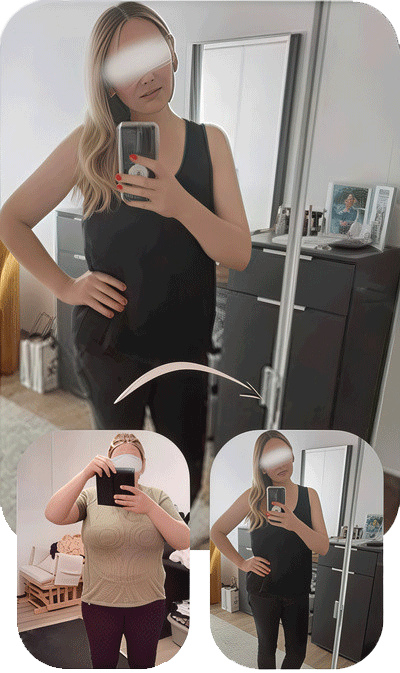
Meet us for a safe and professional obesity surgery experience in a fully equipped hospital setting — trusted by international patients worldwide.
All our procedures are performed in a hospital setting and under hospital guarantee.
All our procedures are carried out by our expert doctors.
Our hospital is a healthcare institution approved by the Ministry of Health.
You can get information and support by calling our call center at any time of the day.
We provide your transfer between the airport, hotel and hospital with our VIP vehicles.
We have affordable accommodation options in our 4 or 5 star hotels.
OFM Healthcare is the international health tourism brand of OFM Hospital — one of Antalya’s most advanced and trusted private hospitals. Since 2012, we’ve been delivering expert care across a wide range of medical specialties, including obesity (bariatric) surgery, helping patients achieve lasting weight loss and a healthier lifestyle with consistently high satisfaction rates.
In addition to our main hospital in Antalya, we also operate our partner clinic in Düsseldorf, Germany — offering our European patients an easier and more comfortable treatment journey. Patients who prefer can have their pre-operative consultations and post-operative follow-up appointments in Düsseldorf, ensuring continuous medical supervision and convenience without the need for frequent travel.
Over 13 years of hospital-based medical expertise
Procedures performed in a fully equipped, Ministry of Health-certified hospital
Comprehensive obesity surgery options, including Gastric Sleeve and Gastric Bypass
Multidisciplinary team of experienced bariatric surgeons, dietitians, and anesthesiologists
Personalized treatment and nutrition plans for long-term success
Advanced medical technology and high safety standards
Continuous pre- and post-operative support, including consultations in Düsseldorf
24/7 patient assistance and multilingual support
Every year, patients from Europe, the Middle East, and beyond travel to Antalya to transform their health with OFM Healthcare. With our dual-location advantage — Antalya for surgery and Düsseldorf for consultations and follow-ups — we make your weight loss surgery journey safer, smoother, and more accessible than ever.
Natural and permanent results await you with a treatment planned specifically for you by our expert doctors in a fully equipped hospital environment approved by the ministry. Take the first step now!
Get a Free Consultation Now
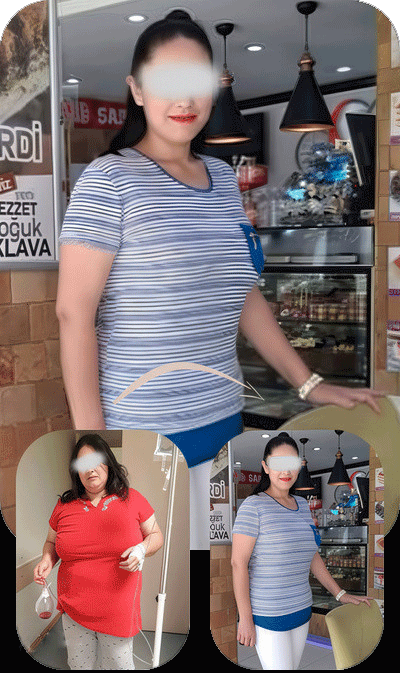
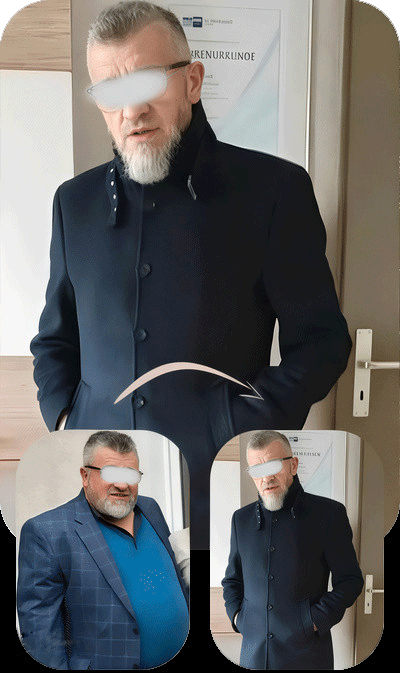
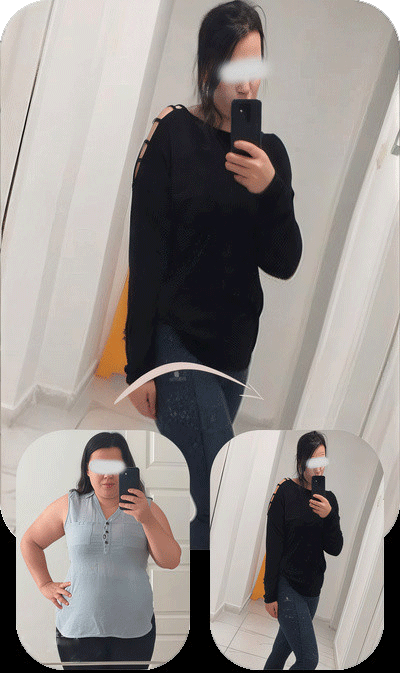
Witness the life-changing hair transplant journeys of our patients from around the world.
Obesity Surgery ✔ Pre-Operation Blood Tests ✔ Anesthesia Consultation ✔ In-Hospital Stay (2 Nights) ✔ Post-Op Medications ✔ Nutritional Consultation (1 session) ✔ VIP Airport-Hospital Transfers ❌ Hotel Accommodation ❌ 6-Month Follow-Up Support ❌

Obesity Surgery ✔ Pre-Operation Blood Tests ✔ Anesthesia Consultation ✔ In-Hospital Stay (2 Nights) ✔ Post-Op Medications ✔ Nutritional Consultation (1 session) ✔ VIP Airport-Hospital Transfers ✔ Hotel Accommodation ✔ 6-Month Follow-Up Support ❌

Obesity Surgery ✔ Pre-Operation Blood Tests ✔ Anesthesia Consultation ✔ In-Hospital Stay (2 Nights) ✔ Post-Op Medications ✔ Nutritional Consultation (1 session) ✔ VIP Airport-Hospital Transfers ✔ Hotel Accommodation ✔ 6-Month Follow-Up Support ✔

Fill out the form and our team will get back to you shortly!
In one of Türkiye’s most advanced private hospitals, we offer a safe and comfortable obesity surgery experience with our Ministry of Health-certified infrastructure and expert medical team
All our procedures are performed in a hospital setting and under hospital guarantee.
With over 12 years of experience, OFM has helped thousands reclaim their confidence through successful obesity surgery procedures — earning a trusted name in the field.
All of ourobesity operations are performed by Ministry of Health-certified medical professionals with extensive experience in the field.
Our hospital is a healthcare institution approved by the Ministry of Health.
Each patient has a unique story and expectations. That’s why we create a personalized treatment plan to achieve best results.
Using advanced bariatric surgery techniques such as Gastric Sleeve and Gastric Bypass, we help you achieve significant and long-term weight loss while supporting your overall health and well-being.
We offer airport pick-up, VIP transfers, accommodation, and multilingual consultation support for our international patients.
We are a trusted center preferred by hundreds of patients from abroad.
We offer high-quality service at affordable prices.
Thanks to its international accreditations and team of expert doctors, OFM Hospital is recognized as one of the leading institutions in Türkiye’s health tourism sector.
At OFM Healthcare, your hair transplant journey will be designed to be smooth, stress-free, and satisfying. While we take care of every detail of your treatment, you’ll enjoy a peaceful stay in our hand-selected luxury hotels. It’s more than a medical trip—it’s a well-deserved break.
Sleeve gastrectomy, also known as gastric sleeve surgery, is one of the most commonly performed bariatric surgery methods. The procedure is carried out laparoscopically (minimally invasive) using 4–5 small incisions (standard technique). In selected patients, it can also be performed with 3 incisions or even a single incision for a more aesthetic result.
During the operation, the stomach is reduced vertically, creating a “sleeve” or tube-like shape. This reduction restricts food intake mechanically, while also removing the upper part of the stomach (fundus) where the hunger hormone Ghrelin is produced. As a result, patients feel less hungry after the surgery.
Duration: The surgery typically takes 1–1.5 hours.
Hospital Stay: In the absence of complications, patients usually stay in the hospital for about 3 days.
Suitability: Gastric sleeve surgery is relatively contraindicated in patients with severe reflux or large hiatal hernias.
Like any surgical procedure, sleeve gastrectomy carries certain risks:
General complications: bleeding, herniation, injury to surrounding organs
Specific complication: leakage, seepage, fistula, or dehiscence at the uppermost staple line (seen in about 3% of cases in medical literature)
Despite these risks, sleeve gastrectomy remains one of the safest and most effective weight loss procedures when performed by experienced surgeons in accredited hospitals.
Compared to other obesity surgery methods, sleeve gastrectomy offers:
✅ Shorter operative time
✅ Preservation of physiological functions
✅ Potential reversibility
✅ Effective weight loss with long-term results
Follow-up care is a vital part of the weight loss journey after sleeve gastrectomy:
10th Postoperative Day: Early follow-up for overall condition, blood tests, weight loss progress, and nutrition status. A dietitian consultation is also included.
1, 3, 6, and 12 Months: Subsequent follow-ups to monitor long-term progress. If no major issues arise, patients may continue these check-ups at other healthcare centers.
Pathology Evaluation: The stomach tissue removed during surgery is examined and the results are reviewed by the surgeon.
At OFM Hospital, sleeve gastrectomy is performed by expert bariatric surgeons using state-of-the-art laparoscopic techniques. With a focus on patient safety, long-term success, and personalized care, we provide a comprehensive program including:
Preoperative medical assessment
Minimally invasive surgical techniques
Postoperative dietitian and medical follow-up
Multidisciplinary support for sustained weight loss
Scarless sleeve gastrectomy, also known as SILS (Single Incision Laparoscopic Sleeve Gastrectomy), is an advanced form of bariatric surgery that offers excellent cosmetic results. Unlike the standard sleeve gastrectomy, this technique is performed through a single incision hidden inside the navel, leaving no visible scars on the abdomen.
Not every patient is suitable for this procedure. The surgeon must carefully evaluate candidates based on:
Body Mass Index (BMI) – Patients must fall within an appropriate range.
Upper abdominal anatomy – Adequate abdominal length is required for safe access.
Surgical history – Patients with previous open abdominal surgeries may not be eligible.
A comprehensive evaluation ensures that scarless gastric sleeve surgery is performed only in individuals for whom it is safe and effective.
✅ No visible scarring – the incision is hidden within the belly button
✅ Improved cosmetic outcomes compared to traditional multi-incision techniques
✅ Minimally invasive approach with reduced tissue trauma
✅ Faster recovery and less discomfort for many patients
Turkey is a leading destination for weight loss surgery thanks to its experienced bariatric surgeons and advanced medical facilities. At OFM Hospital Antalya, we offer scarless sleeve gastrectomy with:
State-of-the-art laparoscopic technology
Highly trained bariatric surgery specialists
Multidisciplinary support including dietitians and follow-up care
Focus on both health outcomes and cosmetic satisfaction
Bikini sleeve gastrectomy, also called ghost scar sleeve gastrectomy, is an innovative variation of the traditional sleeve gastrectomy procedure. This technique is designed for patients seeking not only effective weight loss surgery but also improved cosmetic outcomes with minimal visible scarring.
During the procedure, the surgeon makes small incisions:
Near the bikini line (close to the underwear area)
Inside the navel (belly button)
By placing the incisions in these discreet locations and using specialized laparoscopic equipment, scars remain hidden or nearly invisible after healing.
Not every patient is suitable for this technique. The surgeon must carefully assess factors such as:
Body Mass Index (BMI) – patients must meet bariatric surgery requirements
Abdominal anatomy – adequate length and tissue structure for safe access
Surgical history – prior abdominal surgeries may affect eligibility
✅ Minimal visible scarring – incisions hidden near the bikini line and belly button
✅ Better cosmetic outcomes compared to standard sleeve gastrectomy
✅ Effective and durable weight loss results
✅ Performed with advanced minimally invasive laparoscopic techniques
Turkey is a leading destination for bariatric surgery, attracting international patients for its combination of medical expertise and aesthetic focus. At OFM Hospital Antalya, bikini sleeve gastrectomy is performed by experienced bariatric surgeons with:
State-of-the-art surgical technology
Personalized pre- and post-operative care
Multidisciplinary support including dietitians and follow-up programs
Emphasis on both health improvement and cosmetic satisfaction
Gastric bypass surgery is a well-established bariatric surgery technique performed on obese patients to achieve long-term weight loss and improvement in obesity-related conditions. Although it can be applied to all obese patients, due to its longer operative time and partially irreversible nature, it is most commonly preferred in:
Patients with Type 2 Diabetes
Patients with severe reflux disease
Patients with hiatal hernia (stomach hernia)
Revision surgeries (e.g., after weight regain following other bariatric procedures)
There are two main types of gastric bypass surgeries, the most common being the Roux-en-Y Gastric Bypass (RYGB).
Surgical Method: Performed laparoscopically (minimally invasive) with 5 small incisions, similar to sleeve gastrectomy.
Procedure Steps:
The stomach is reshaped into a small pouch.
This pouch is connected directly to the small intestine.
The small intestine is then reconnected approximately 100–150 cm downstream, allowing bile and pancreatic secretions to join the digestive process.
Duration: The operation typically takes 1.5–2.5 hours.
Hospital Stay: In the absence of complications, the average hospital stay is around 3 days.
Roux-en-Y gastric bypass provides weight loss and metabolic benefits through multiple mechanisms:
Restrictive effect: Reduced stomach capacity limits food intake.
Hormonal effect: Decreased Ghrelin levels help suppress hunger.
Malabsorptive effect: A portion of nutrient absorption is bypassed, enhancing weight loss.
Because the bypassed part of the stomach is difficult to evaluate endoscopically after surgery, patients with no family history of gastric cancer and normal findings on preoperative endoscopy are considered better candidates for gastric bypass.
Diabetes Remission Rate:
Sleeve Gastrectomy → ~65%
Gastric Bypass → ~85%
Long-term Benefits:
✅ Better long-term weight management
✅ Higher diabetes resolution rates
✅ No bile reflux or typical acid reflux compared to sleeve gastrectomy
Like all surgeries, gastric bypass carries some risks:
General risks: bleeding, infection, injury to nearby organs
Specific risks:
Leakage, fistula, or dehiscence at the suture line
Internal herniation between small intestines
Leakage Rate: Similar to sleeve gastrectomy, but relatively lower in RYGB
Postoperative follow-up is critical for long-term success:
10th Day Check-up: Patient’s general condition, blood test results, weight loss progress, and nutritional adequacy are evaluated. Dietitian consultation is also performed.
Subsequent Visits: 1 month, 3 months, 6 months, and 12 months after surgery.
If no significant problems are detected, patients may attend these later follow-ups at other healthcare centers if preferred.
At OFM Hospital Antalya, gastric bypass surgeries are performed by experienced bariatric surgeons using advanced laparoscopic techniques. We provide:
Comprehensive preoperative evaluation
Minimally invasive surgery with rapid recovery
Multidisciplinary support (dietitians, endocrinologists, psychologists)
Long-term follow-up to ensure sustained weight loss and diabetes control
Mini gastric bypass, also known as Single Anastomosis Gastric Bypass (OAGB), is a modern alternative to the classic Roux-en-Y gastric bypass. While the procedure is performed in a similar way, the main difference is that it requires only a single anastomosis (suture line).
In this surgery, the newly created stomach pouch is directly connected to the small intestine without suturing two intestinal segments together. This simplifies the procedure, shortens operative time, and provides effective results for obesity treatment.
Surgical technique: Minimally invasive laparoscopic surgery, similar entry points to Roux-en-Y.
Operation time: Shorter than Roux-en-Y due to only one anastomosis.
Mechanism: Provides a combination of restrictive and hormonal effects, supporting long-term weight loss and improvement in obesity-related conditions.
✅ Faster operation compared to traditional Roux-en-Y
✅ Effective weight loss and improvement in metabolic diseases
✅ Minimally invasive with short recovery time
As with other bariatric surgeries, risks such as bleeding, leakage, or infection may occur. A specific risk of mini gastric bypass is:
Bile reflux: seen in approximately 30% of patients.
Regular follow-up is essential for long-term success:
10th Day Post-Op: Overall condition, blood test results, weight loss progress, and nutritional adequacy are evaluated. A dietitian consultation is also included.
Later Visits: Recommended at 1 month, 3 months, 6 months, and 12 months after surgery.
If no complications arise, patients may attend these later visits at other healthcare centers.
At OFM Hospital, our bariatric surgeons perform mini gastric bypass with the latest laparoscopic techniques, focusing on both safety and long-term results. Patients benefit from:
Comprehensive preoperative assessment
Minimally invasive surgical approach
Ongoing medical and dietitian support
Multidisciplinary follow-up care
Transit Bipartition surgery is an innovative bariatric procedure designed not only for sustainable weight loss but also for the effective treatment of Type 2 Diabetes and other obesity-related conditions. Unlike standard sleeve gastrectomy or gastric bypass, transit bipartition combines the benefits of both restrictive and metabolic effects, making it one of the most advanced options in modern obesity surgery.
The surgery begins with a sleeve gastrectomy, where the stomach is reduced in size to limit food intake and decrease the hunger hormone Ghrelin. Then, instead of bypassing the intestine completely, a connection is made between the smaller stomach pouch and the lower small intestine.
This allows food to travel through two different routes:
A portion passes through the natural digestive tract.
Another portion passes directly into the lower intestine.
This unique approach improves digestion, enhances metabolic response, and provides excellent control over blood sugar levels.
✅ High diabetes remission rates – especially effective in Type 2 Diabetes patients
✅ Sustainable and long-term weight loss
✅ Preserves natural nutrient absorption better than classical bypass surgeries
✅ Improved quality of life with reduced obesity-related health risks
✅ Minimally invasive laparoscopic technique with faster recovery
Transit Bipartition is suitable for:
Patients with obesity and Type 2 Diabetes
Individuals who did not achieve success with diet, exercise, or medication
Patients seeking a balance between effective weight loss and metabolic control
A detailed preoperative evaluation by an experienced bariatric surgeon is essential to determine suitability.
Türkiye is a global leader in bariatric and metabolic surgery, attracting thousands of international patients every year. At OFM Hospital Antalya, our expert bariatric surgeons perform Transit Bipartition using cutting-edge laparoscopic technology.
With a patient-centered approach, we provide:
Comprehensive pre-surgery evaluation
Minimally invasive surgery with rapid recovery
Dedicated dietitian and endocrinology support
Long-term follow-up for weight control and diabetes management
Biliopancreatic Diversion (BPD) is one of the most powerful and effective bariatric surgery techniques designed to provide significant and long-term weight loss, while also improving obesity-related diseases such as Type 2 Diabetes, hypertension, and sleep apnea.
This procedure is considered a metabolic surgery, as it not only reduces the size of the stomach but also changes the way food and nutrients are absorbed by the body.
BPD surgery involves two main steps:
Partial Gastrectomy – The stomach is reduced in size to limit food intake.
Intestinal Diversion – A large portion of the small intestine is bypassed, so fewer calories and nutrients are absorbed.
By combining restriction (smaller stomach) and malabsorption (shortened intestinal passage), patients achieve both rapid and long-lasting weight loss.
✅ One of the most effective weight loss surgeries – ideal for patients with morbid obesity
✅ High diabetes remission rates – excellent metabolic outcomes in Type 2 Diabetes
✅ Long-term weight control with lower risk of weight regain
✅ Improvement in obesity-related health problems (hypertension, sleep apnea, high cholesterol)
✅ Quality of life improvement with increased mobility and better overall health
Biliopancreatic Diversion is generally recommended for:
Patients with severe obesity (BMI > 50)
Patients who did not achieve success with other bariatric procedures
Individuals with serious metabolic diseases such as diabetes and high cholesterol
A detailed preoperative evaluation is essential, as BPD requires lifelong follow-up and strict vitamin-mineral supplementation due to its malabsorptive nature.
At OFM Hospital Türkiye, our experienced bariatric surgeons perform Biliopancreatic Diversion with the latest laparoscopic technology, ensuring safety and long-term success.
We provide:
Multidisciplinary preoperative evaluation
Minimally invasive surgery with advanced equipment
Specialized nutrition and dietitian support
Long-term follow-up programs for lifelong health
In the first week, patients start with liquids and soft foods. Within 4–6 weeks, they can gradually return to solid foods under the guidance of a dietitian.
Patients typically lose 40–50% of excess weight in the first 6 months. Maximum weight loss is usually achieved within 12–18 months.
Since the procedure is performed laparoscopically, scars are minimal. “Scarless” or “Bikini Sleeve” techniques can make scars nearly invisible.
Sleeve gastrectomy has been shown to significantly improve Type 2 Diabetes and hypertension in many patients.
Roux-en-Y offers more reliable long-term results and reduces reflux risk. Mini Gastric Bypass is faster and simpler, but some patients may experience bile reflux. Your surgeon will recommend the most suitable option.
Yes. Soft and liquid foods are recommended for the first month. Gradually, patients transition to regular meals, but portion sizes remain small and high-calorie foods are limited.
Both bypass methods effectively manage Type 2 Diabetes, but Roux-en-Y typically has slightly higher diabetes remission rates.
Most patients lose 70–80% of their excess weight within the first 12 months. Long-term follow-up helps maintain weight control.
Yes. Transit Bipartition has a high success rate in controlling Type 2 Diabetes and maintaining long-term blood sugar levels.
Patients start with liquids during the first week and gradually move to solid foods in 4–6 weeks. Dietitian guidance is crucial during this period.
Transit Bipartition combines sleeve gastrectomy with a specific intestinal rerouting. It supports both weight loss and metabolic benefits while allowing more dietary flexibility and hormonal regulation.
Yes. Due to reduced nutrient absorption, lifelong supplementation is essential. Regular blood tests are needed to monitor deficiencies.
Biliopancreatic Diversion provides the highest weight loss and excellent diabetes control, making it ideal for patients with severe obesity and serious metabolic conditions.
With proper diet and regular follow-up, weight loss is maintained long-term, and metabolic conditions improve significantly.
No. BPD is recommended for patients with BMI >50, those who did not achieve results with other surgeries, or individuals with severe metabolic disorders.
Get a Free Consultation Now
Compare listings
ComparePlease enter your username or email address. You will receive a link to create a new password via email.